
Share the property details
Send the location, equipment, symptoms or planned changes, and who can approve the work. Existing labels and service records help define the request.
Now part of the
 family
Request heating or cooling work in the town of Simcoe, Norfolk County. Choose the relevant furnace, AC, heat pump or other service and include the property location so coverage can be confirmed.
Which equipment needs attention at the Simcoe property, and who can authorize the work?
This site identifies Simcoe, the town in Norfolk County in southwestern Ontario. Include the property town and postal code when describing a fault or planned installation. If you are arranging work for an owner or occupant, explain access and approval arrangements so the team can review the actual location, equipment and requested scope.
Choose a heating or cooling service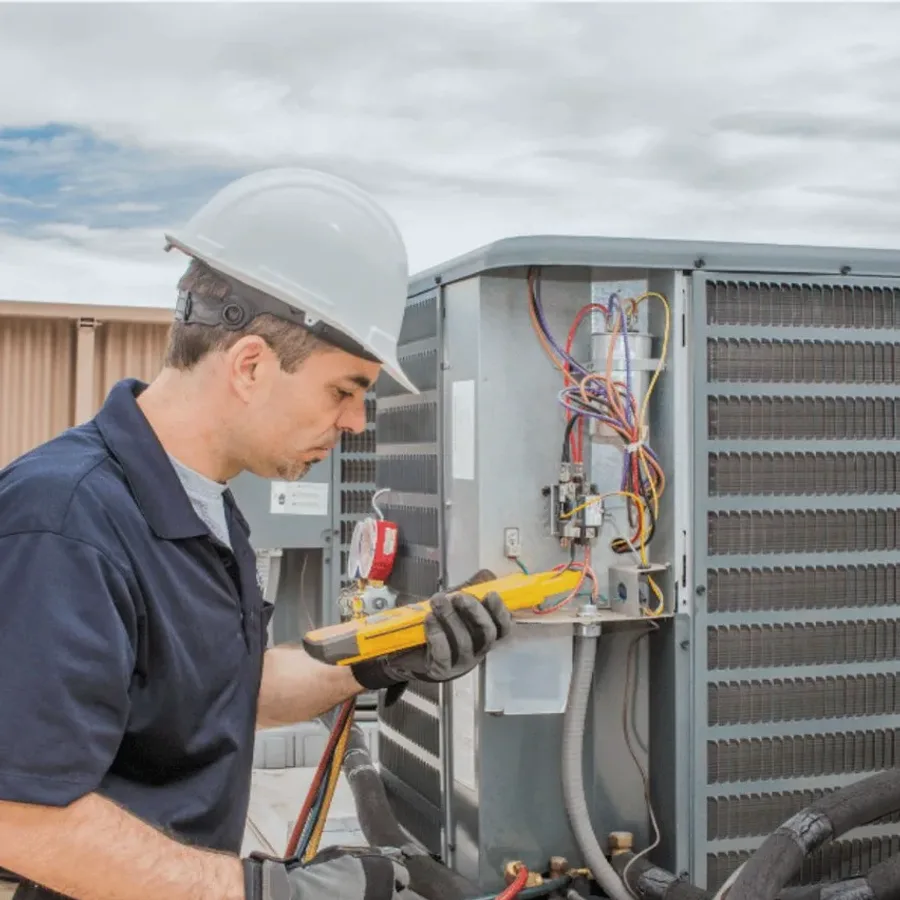
Describe the work first, then confirm the people, timing, and terms before making a commitment.
Send the location, equipment, symptoms or planned changes, and who can approve the work. Existing labels and service records help define the request.
The enquiry team reviews the request and shares it with a relevant service provider for follow-up using your contact details. Confirm contractor coverage, qualifications and how the property will be assessed before agreeing to an appointment.
Ask which findings support the work, what is included or excluded, and how completion will be checked. Agree on pricing and terms with the contractor.
Mention an offer in your request and we will confirm your eligibility with your quote.
Annual maintenance plans start at $120 plus tax for a furnace or an air conditioner, or $210 plus tax for both.
Plan payment is due before the maintenance appointment. We confirm plan coverage, pricing and availability before you book.
Ask about financing when you request your quote.
We confirm rates, terms and eligibility before you commit.
Start with the installed equipment and its manufacturer instructions. Maintenance needs depend on the appliance and its use. Keep service records and ask a qualified contractor which seasonal inspections apply.
When requesting work for a property in Simcoe or nearby Brantford, Paris and Caledonia, ask the owner to approve the documented cleaning reason, included components, and total scope. Confirm occupant access and property-protection arrangements, then agree on who reviews unexpected findings. Completion photographs and records should go to the responsible decision-maker so later maintenance can refer to the work actually accepted.
Assessment can inspect accessible supply and return runs, registers, and relevant air-handler surfaces for debris or other visible conditions. If an odour or weak airflow is reported, identify its location and operating pattern before attributing it to dirty ducts. Filter fit, fresh-air intake condition, and accessible HRV components may also be relevant where present. Findings determine whether cleaning, another correction, or no duct work is appropriate.
A visual inspection, including a camera view where access permits, can document whether debris is present and where it occurs. The condition of supply runs, returns, and accessible connected components helps define the area of work. Dust at a register alone does not establish that the full duct system needs cleaning. Inspection evidence should support both the decision to proceed and the cleaning scope.
A musty smell when the fan starts may come from duct debris, but it can also originate at a damp surface, appliance, or other source. If a section is visibly water-damaged, assess whether it can be cleaned or needs repair or replacement. Weak airflow likewise requires considering restrictions at filters, grilles, or equipment before blaming duct contamination. Cleaning alone does not correct unrelated causes.
Where an HRV is present, its screens or core may be inspected and maintained according to its instructions and access conditions; this is not automatically part of duct cleaning. Filter fit and the fresh-air intake can also be checked when they relate to the reported issue. Construction dust may warrant an inspection after renovation, but it does not create a required recurring schedule. Any work should follow observed conditions.
Share the property location and the work you need so the request can be reviewed.