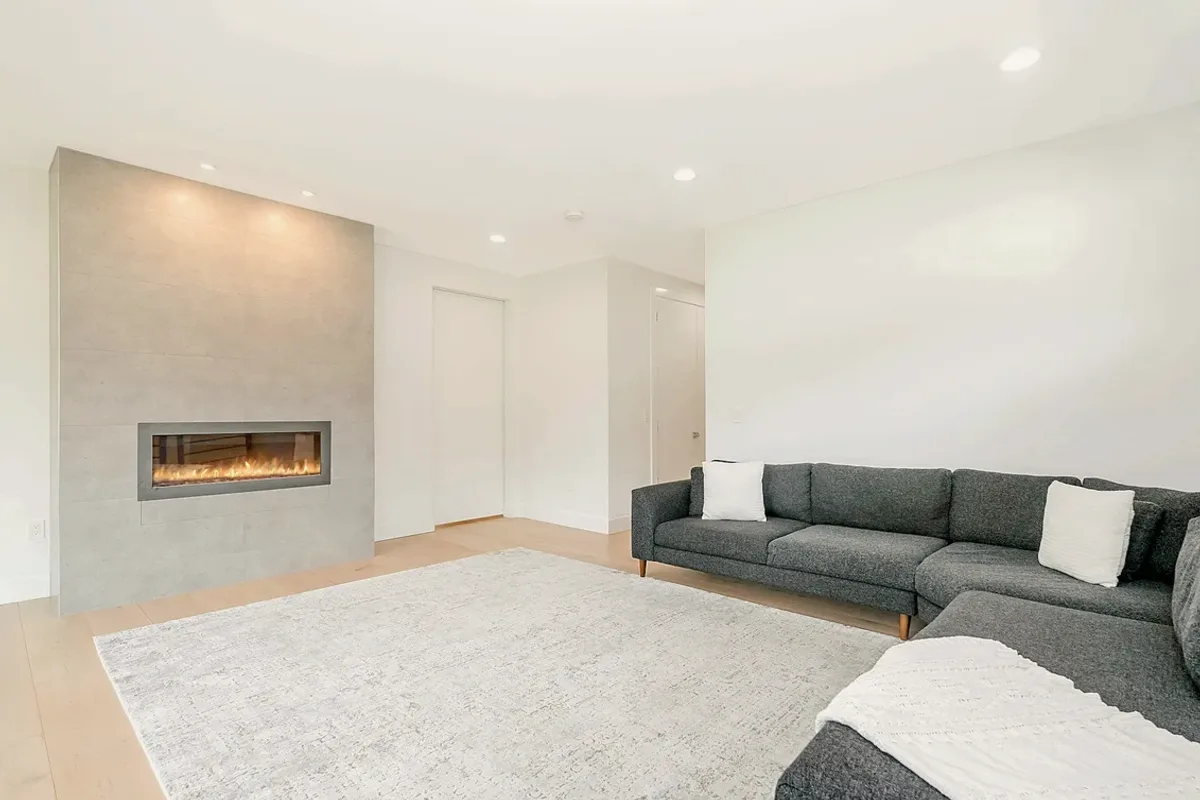
Request fireplace installation for a property in Simcoe. Include the equipment, the problem or planned work, and your location so the request can be reviewed.
What should be checked before installing a fireplace?
A fireplace installation starts with the appliance type and the space where it may be located. Gas, electric, and wood-burning units have different connection, clearance, and venting requirements, so a choice should be matched to the proposed layout. The assessment can consider the available wall or hearth area, gas supply where applicable, and a route to an exterior wall or existing chimney. These details define installation scope before finishes are planned.
Assessment should identify the exact appliance model, required clearances, mounting or hearth conditions, and the manufacturer’s venting or connection requirements. For gas equipment, the supply route is relevant; for wood-burning equipment, chimney suitability needs consideration. Where an existing opening or vent is reused, its dimensions and condition affect compatibility. This information helps establish whether the proposed location and installation approach fit the selected appliance.
Gas, electric, and wood-burning fireplace installation
Clearances, gas supply, and appliance-specific venting
Existing fireplace, firebox, and vent condition
Assessment and Scope
Questions for the Proposed Work
01
Select the appliance for the location
Gas, electric, and wood-burning fireplaces have distinct installation needs. The selected model’s dimensions and clearances should be compared with the intended location, nearby materials, and finishing plan. An electric unit does not require a combustion vent, while gas and wood appliances have model-specific venting requirements. Confirming the appliance before construction or finish work helps avoid planning an opening that does not fit its installation instructions.
02
Plan supply and venting routes
A gas fireplace installation may require assessing the gas-supply route and the appliance’s approved vent arrangement. A wood-burning unit may depend on a suitable chimney or specified vent system, while direct-vent models have their own routing limits. The route, clearances, and termination location should be evaluated for the exact appliance. If an existing opening is being reused, its condition and dimensions need verification rather than assumption.
03
Treat existing damage as a separate finding
If replacing an existing fireplace, inspect the appliance, firebox, and vent for damage or condition that affects reuse. Dirty glass or obstructed burner ports on an existing gas unit are maintenance findings, not installation specifications; the appliance instructions guide appropriate service. Damage to the firebox or vent may change the replacement scope. The installation decision should account for those observations instead of assuming that a new unit can use every existing component.
Compare the next step
Have the property decision-maker approve the exact model and finished installation plan, including venting and fuel work. Ask who accepts changes to framing or surrounds if the original concept is unsuitable. Keep occupant preferences visible while distinguishing them from authority to approve structural or mechanical alterations.
Use a qualified contractor for the chosen appliance and any fuel, venting, or electrical work. Do not alter the appliance or defeat its controls. Confirm its manufacturer operating requirements before relying on it for whole-home or outage heating.