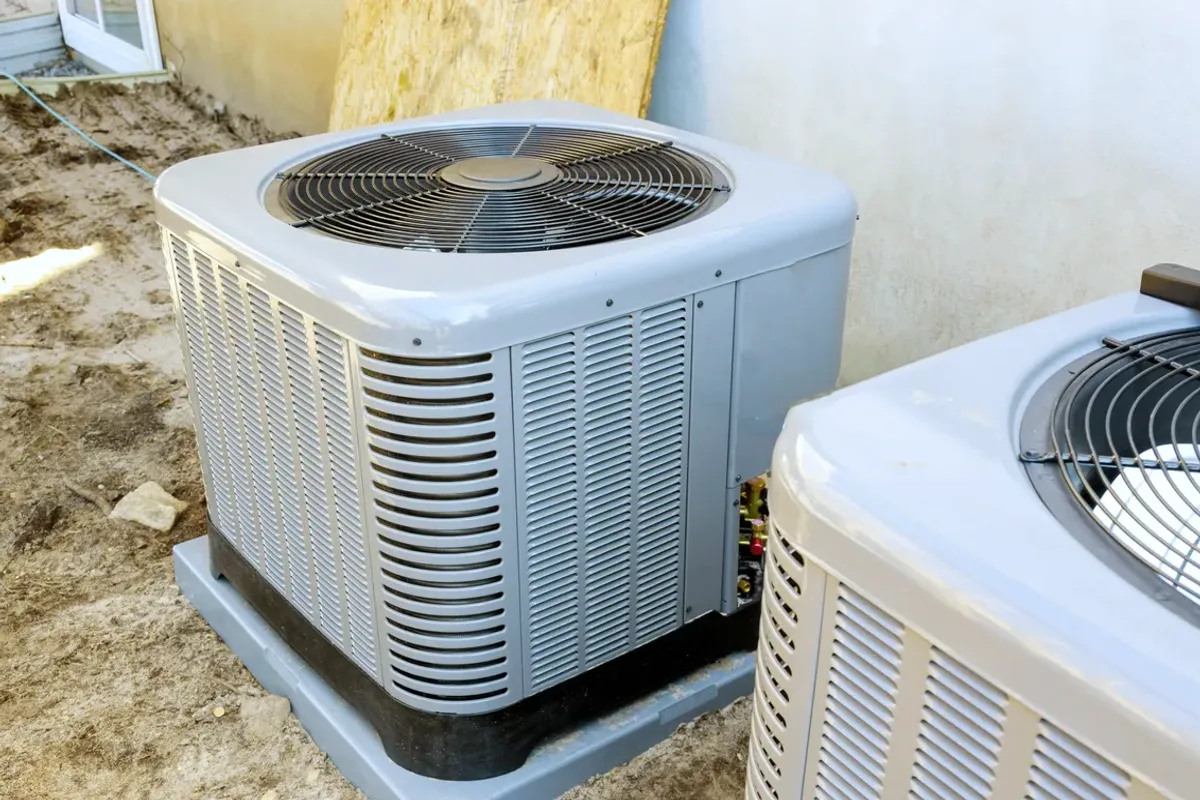
What symptoms and system details help diagnose an air conditioner problem?
Warm air, weak cooling, unusual fan noise, water near an indoor coil, or an error code can come from different faults. The equipment type, when the symptom occurs, and whether airflow has changed help guide an inspection. A cooling complaint during humid weather may also involve how the system is sized and operating, but humidity alone does not identify the cause. Repair follows diagnosis; maintenance and replacement are separate decisions based on inspection and equipment condition.
Assessment can compare indoor and outdoor operation, airflow, coil condition, electrical controls, and the refrigerant circuit. A ducted system may also need airflow and static-pressure checks to determine whether a restriction is affecting cooling. Ductless equipment has different components and diagnostics. Findings distinguish an airflow problem from a refrigerant or mechanical fault and help determine whether repair is reasonable or replacement merits comparison.
Central air and ductless cooling faults
Coils, drainage, refrigerant circuit, and airflow
Repair, maintenance, and replacement considerations
Assessment and Scope
Questions for the Proposed Work
01
Trace the symptom before choosing a repair
Lukewarm air can result from restricted airflow, a coil problem, or a refrigerant-circuit fault, and an iced coil does not by itself prove which one is present. Grinding or rattling noise calls for locating the source around the fan or other moving components. Water near an indoor coil should be assessed for drainage and coil conditions. Fault codes are useful evidence, but need interpretation for the specific model.
02
Check airflow in ducted systems
For central air, a filter or grille restriction, duct condition, or other airflow limitation can affect cooling even when the outdoor unit runs. Static-pressure readings, filter fit, and grille condition can help identify where resistance occurs. These checks are not a substitute for inspecting the refrigeration equipment. Ductless systems do not use the same distribution ducts, so their airflow and coil observations need to be assessed at the indoor unit.
03
Separate maintenance from replacement decisions
Maintenance may include inspecting coils, airflow, drainage, controls, and refrigerant-system condition as directed by the equipment and inspection findings. It does not replace diagnosis of an active fault. For a repair decision, consider the failed component, the system’s condition, and whether similar faults have recurred. Compare those findings with the equipment’s age and remaining service prospects rather than relying on a universal repair-cost threshold.
Compare the next step
Agree on who can provide indoor and outdoor access, answer questions about the symptoms, and accept a repair scope. Ask that diagnosis and any additional work be communicated to the authorized decision-maker. Keep the equipment record and previous invoices available rather than relying entirely on an occupant description.
Do not open electrical panels or handle refrigerant. If ice, water near electrical equipment, or abnormal operation is present, stop using the affected system and request an assessment.