What information should I provide when requesting furnace repair?
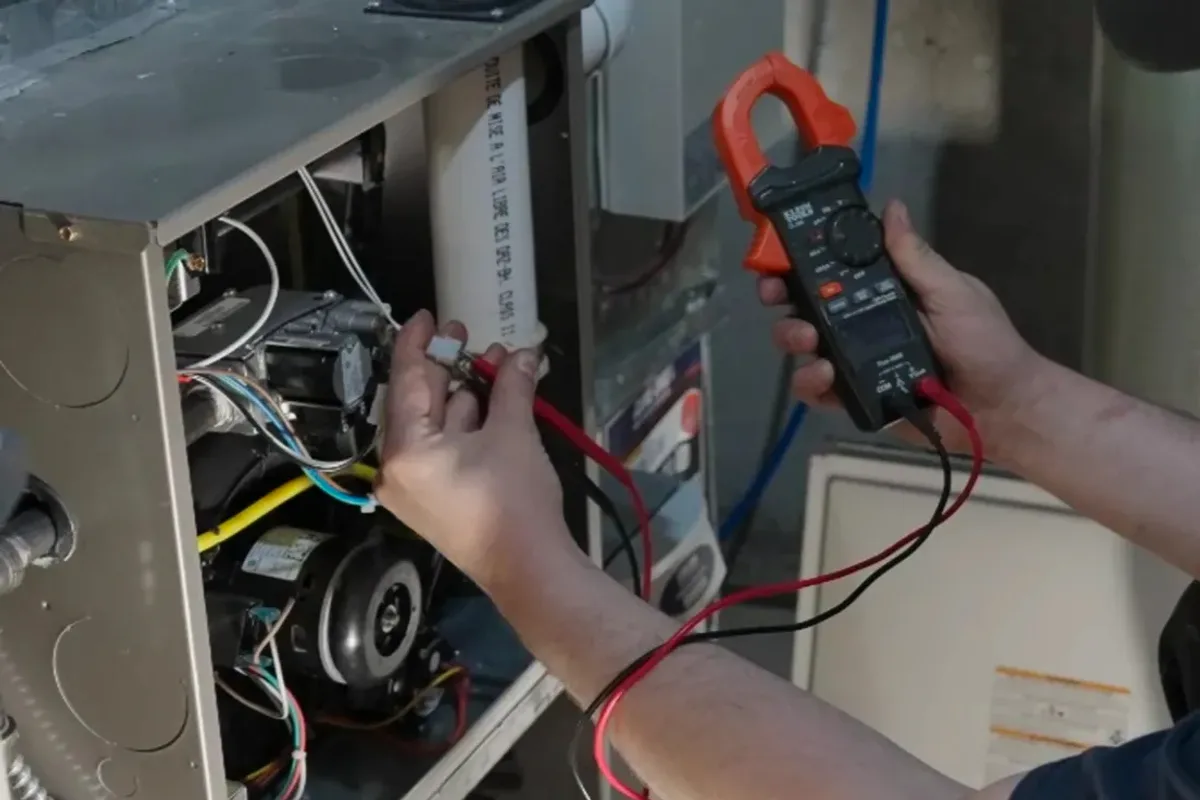
A furnace that will not start, produces unusual noise, or leaves some rooms cooler needs diagnosis before parts are selected. The service request can identify the fuel, furnace model, displayed fault codes, and when the symptom occurs. Those details help distinguish ignition or burner trouble from airflow, thermostat, or control problems. Repair is appropriate when a fault can be isolated; maintenance addresses inspection and cleaning needs, while replacement becomes a separate comparison when condition or repeated failures change the outlook.
A useful assessment compares the reported symptom with the furnace’s ignition sequence, airflow, filter condition, thermostat settings, and fault history. For gas, propane, or oil equipment, fuel and burner details affect the diagnostic path. A technician can also identify whether the unit is a single-stage or high-efficiency model, which matters when considering repair options or comparing continued repairs with replacement.
Gas, propane, and oil furnace faults
Airflow, filters, burners, and thermostat checks
Repair or replacement for single-stage and high-efficiency furnaces
Assessment and Scope
Questions for the Proposed Work
01
Use symptoms to narrow the fault
A furnace that does not start may have an ignition, control, fuel-delivery, or thermostat fault, while uneven heating can point to airflow restrictions or distribution issues. Grinding or rattling sounds require locating the noise rather than assuming a particular failed part. Note whether the problem is constant or intermittent and record any displayed code. These observations help focus inspection without treating similar symptoms as the same repair.
02
Maintenance depends on inspection findings
Maintenance can include checking airflow, filter fit and condition, burners, thermostat operation, and other components specified for the furnace. The equipment’s instructions and inspection findings determine what cleaning or adjustment is appropriate. A maintenance visit is distinct from repairing an active fault: if a component has failed or a safety concern is found, its condition needs diagnosis and a repair decision rather than being treated as routine upkeep.
03
Compare repair with replacement on evidence
Repair and replacement are separate choices. The age and condition of the furnace, the cause and frequency of failures, and the parts required help show whether a repair addresses the problem or leaves other concerns unresolved. An older single-stage furnace and a high-efficiency model have different components and control arrangements, so comparisons should use the actual model and repair findings. A replacement decision should not be based on age alone.
Compare the next step
Give the contractor an occupant contact for observations and an owner contact for authorization. Ask how findings and approval requests will be recorded before repairs begin. Confirm access to the appliance and any service-agreement requirements so the person reporting no heat is not assumed to approve an unrelated replacement.
Leave burner, fuel, venting, electrical, and internal equipment work to a qualified contractor. Do not bypass a safety switch or repeatedly reset a furnace.