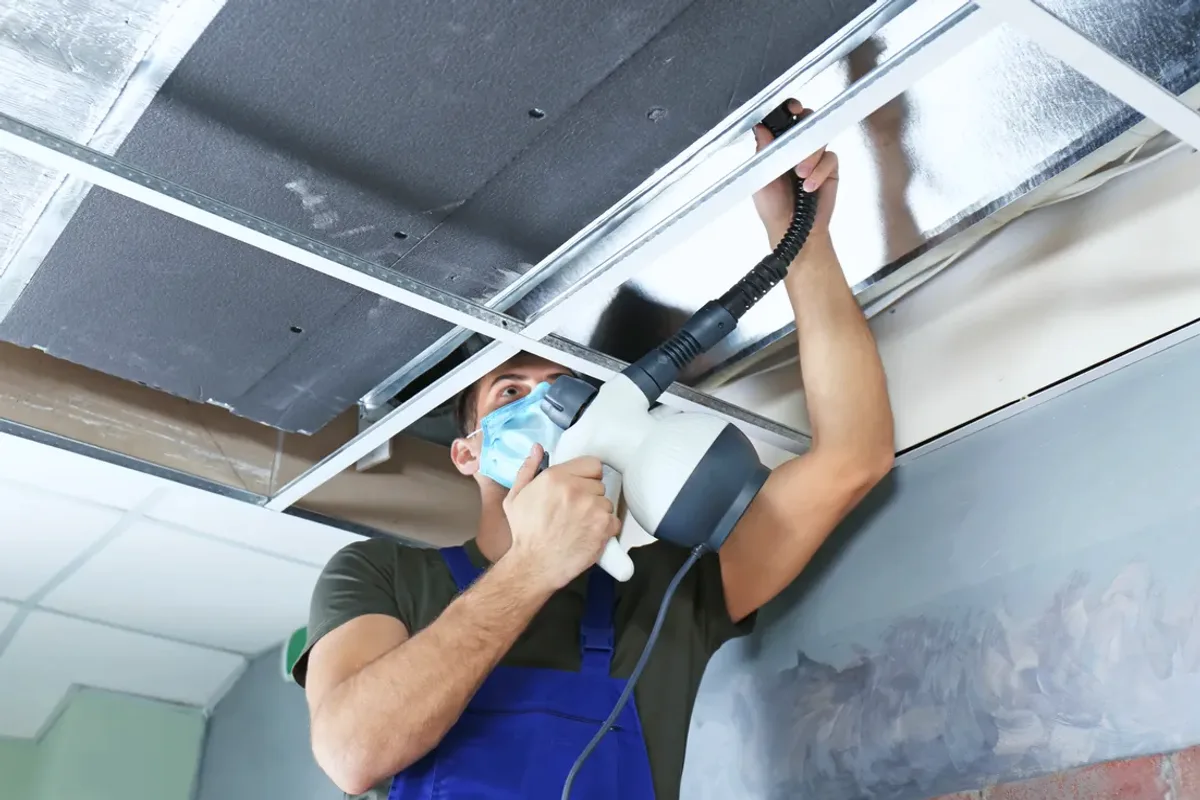
What findings indicate that duct cleaning may be appropriate?
Duct cleaning is a targeted service, not an automatic maintenance interval. Visible debris, a persistent odour when the system operates, or construction dust may justify inspecting the affected ductwork and connected components. An inspection can also help determine whether the source is actually in the ducts, at an appliance, or in a damp or damaged section. Cleaning scope should follow evidence and access conditions rather than assumptions about indoor air or system performance.
Assessment can inspect accessible supply and return runs, registers, and relevant air-handler surfaces for debris or other visible conditions. If an odour or weak airflow is reported, identify its location and operating pattern before attributing it to dirty ducts. Filter fit, fresh-air intake condition, and accessible HRV components may also be relevant where present. Findings determine whether cleaning, another correction, or no duct work is appropriate.
Inspection of supply and return ducts
Odour, debris, airflow, and water-damaged sections
Conditional checks of filters, fresh-air intakes, and HRV components
Assessment and Scope
Questions for the Proposed Work
01
Inspect before deciding to clean
A visual inspection, including a camera view where access permits, can document whether debris is present and where it occurs. The condition of supply runs, returns, and accessible connected components helps define the area of work. Dust at a register alone does not establish that the full duct system needs cleaning. Inspection evidence should support both the decision to proceed and the cleaning scope.
02
Trace odours and airflow concerns to their source
A musty smell when the fan starts may come from duct debris, but it can also originate at a damp surface, appliance, or other source. If a section is visibly water-damaged, assess whether it can be cleaned or needs repair or replacement. Weak airflow likewise requires considering restrictions at filters, grilles, or equipment before blaming duct contamination. Cleaning alone does not correct unrelated causes.
03
Include related components only when relevant
Where an HRV is present, its screens or core may be inspected and maintained according to its instructions and access conditions; this is not automatically part of duct cleaning. Filter fit and the fresh-air intake can also be checked when they relate to the reported issue. Construction dust may warrant an inspection after renovation, but it does not create a required recurring schedule. Any work should follow observed conditions.
Compare the next step
Ask the owner to approve the documented cleaning reason, included components, and total scope. Confirm occupant access and property-protection arrangements, then agree on who reviews unexpected findings. Completion photographs and records should go to the responsible decision-maker so later maintenance can refer to the work actually accepted.
Routine cleaning is not automatically necessary and does not guarantee health or energy benefits. Resolve moisture sources and assess damaged materials rather than treating cleaning as the only remedy.