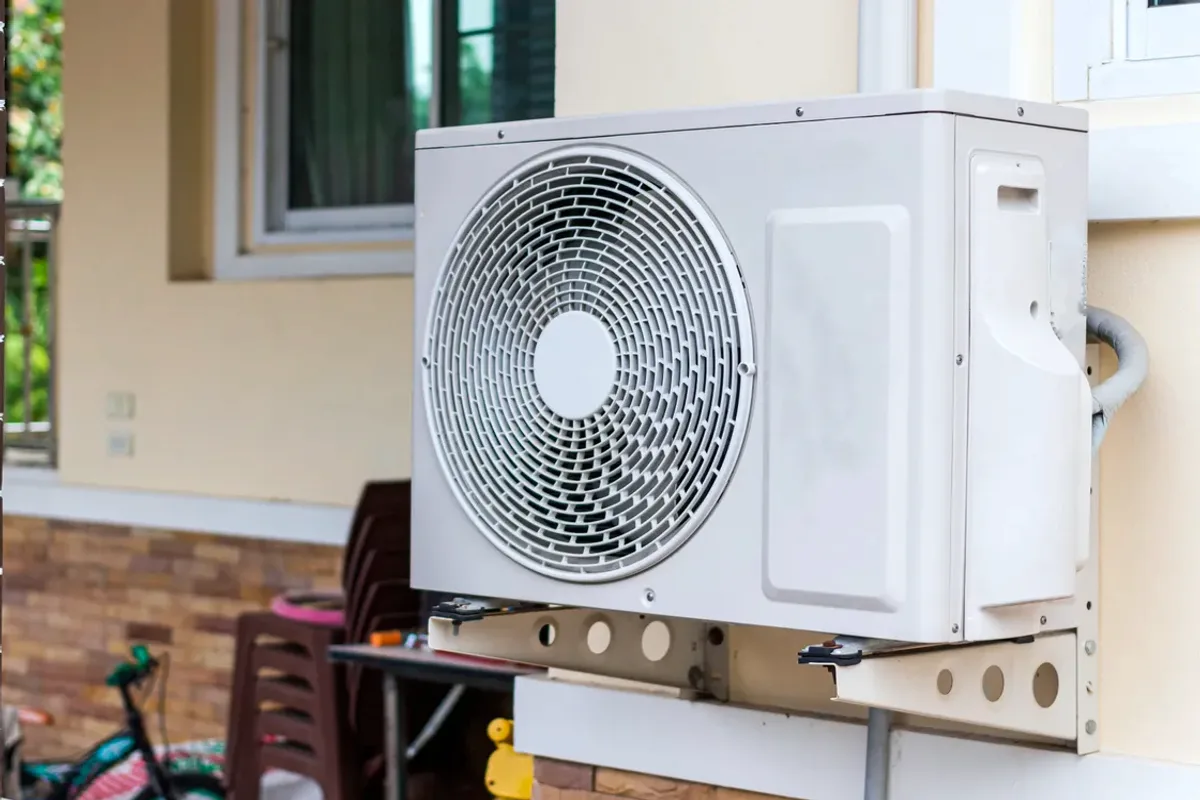
Request heat pump repair & installation for a property in Simcoe. Include the equipment, the problem or planned work, and your location so the request can be reviewed.
What operating details help distinguish a heat pump fault from a replacement need?
A heat pump that does not heat or cool, runs unevenly, or makes an unusual sound needs diagnosis based on its type and operating conditions. Air-to-air, cold-climate, and ductless mini-split systems do not share every component or fault pattern. The model, displayed codes, and whether the issue occurs in heating, cooling, or defrost operation help define the inspection. Repair, maintenance, and installation are distinct requests, with replacement considered when findings justify comparison.
Assessment can examine electrical controls, refrigerant-circuit condition, airflow, drainage, and defrost operation as applicable to the model. The system type and refrigerant designation matter when considering repair options, especially if a component is no longer available or refrigerant service is complicated. For installation, existing distribution, electrical requirements, and the property’s heating and cooling needs inform equipment selection and compatibility.
Air-to-air, cold-climate, and ductless heat pumps
Electrical, refrigerant, defrost, drainage, and airflow diagnosis
Repair and replacement considerations, including refrigerant type
Assessment and Scope
Questions for the Proposed Work
01
Diagnose the operating mode and system type
A heat pump that cools but does not heat, or heats unevenly, presents different diagnostic clues from one that will not start or makes mechanical noise. Air-to-air and ductless units have different airflow arrangements, while defrost operation applies where supported by the model. Record the mode, timing, and any displayed code. Those details help focus inspection on controls, electrical components, refrigerant conditions, drainage, or another model-specific cause.
02
Choose repair, maintenance, or installation separately
Repair addresses a diagnosed fault; maintenance follows the manufacturer’s instructions and inspection findings, including applicable checks of coils, drainage, controls, and defrost components. Neither is the same as installing equipment. For a new system, the design must account for the existing distribution method and electrical requirements. Confirming the equipment type and the property’s needs helps compare compatible options without assuming that every heat pump is interchangeable.
03
Consider refrigerant and condition in replacement planning
A repair comparison should identify the failed part, equipment condition, and whether related faults have repeated. Refrigerant type is relevant because it can affect service options for an older unit; it does not, by itself, mean replacement is required. If repair parts or refrigerant service are constrained, those findings can be weighed alongside the system’s age and operating history. Replacement planning should compare suitable equipment with the actual installation conditions.
Compare the next step
Identify who approves changes to existing heating, power, distribution, and controls. Ask how the proposal addresses occupants affected by the work and any retained equipment warranty. A conversion decision should be supported by the complete design and authorized scope rather than approval for an isolated outdoor-unit replacement.
Cold-climate capability does not prove that one model covers every home heating load. Ask how the selected equipment and supplementary heat meet the actual design requirements.