An air conditioner that runs from breakfast to bedtime is not being heroic; it is being overloaded. During a humid Ontario summer, nonstop running is one of the first signs that something in the system or the house needs attention, and the sooner you decode it, the cheaper the fix tends to be.
Could the Unit Simply Be Outmatched?
An aging system. Older blowers move less air and older coils transfer less heat, a slow fade most homeowners notice over a season or two. An undersized unit. A system that was never matched to the home runs flat out and still loses ground on hot afternoons. Homes change, too: additions, finished rooms, and extra sun exposure can quietly outgrow equipment that was properly sized the day it was installed.
Have You Checked the Filter, the Coils, and the Outdoor Unit?
A clogged filter. This is the first thing to rule out because it is the cheapest fix in HVAC. A full filter starves the blower and throttles air to every vent in the house. A dirty evaporator coil. Dust that slips past the filter settles on the cold coil and insulates it, so less cold transfers into the air moving past.
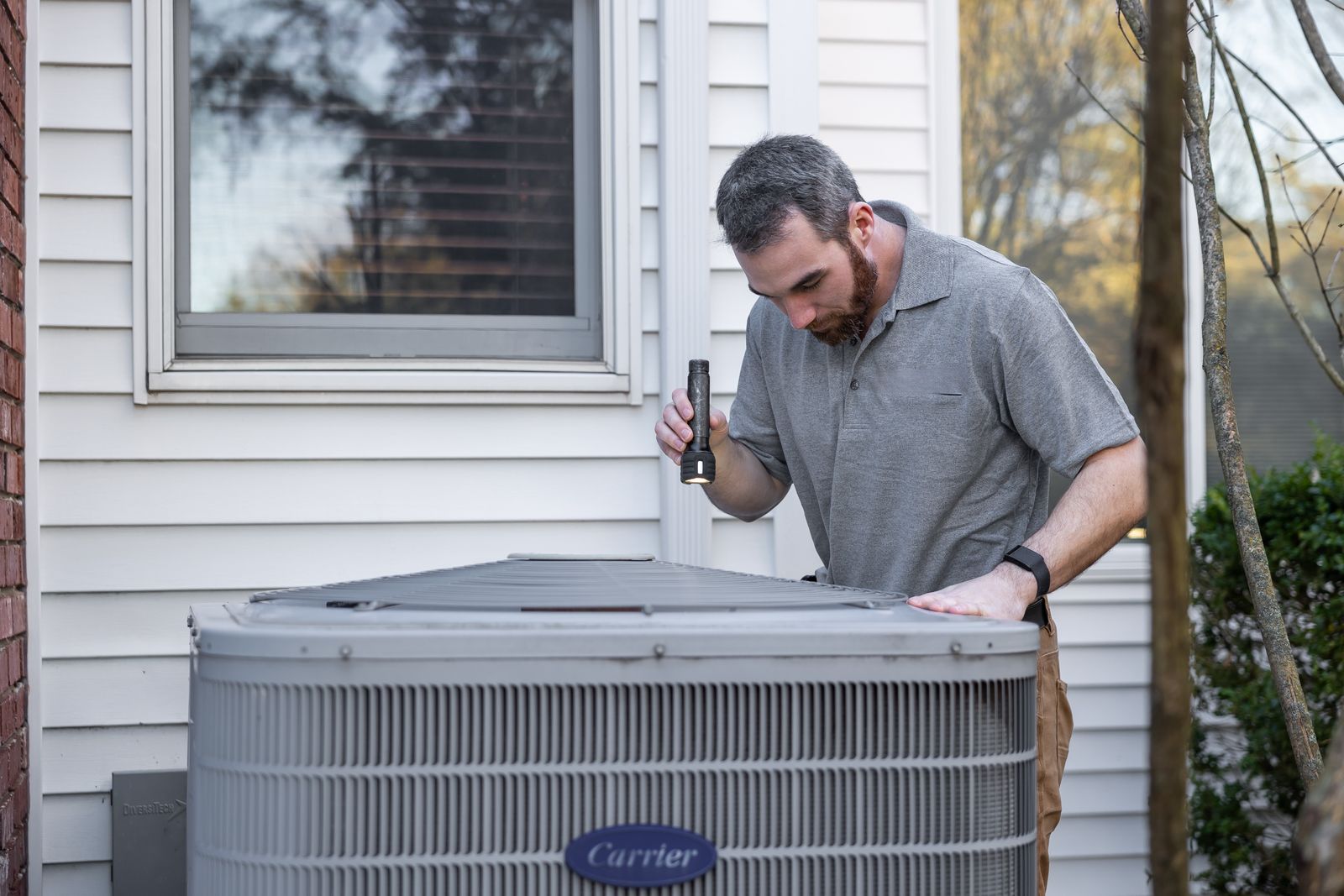
A blocked condenser. Debris, tall plants, or a dryer vent blowing nearby all heat up the outdoor coil and slow the whole system down.
Where the Extra Hydro Actually Goes
An air conditioner has always had two jobs: cool the air and dehumidify it. Humid Ontario weather makes both jobs harder at once, so the system runs longer to deliver the same comfort, and longer runtime shows up on your hydro bill. That extra runtime is one thing when it is simply muggy outside.
It is another thing entirely when a maintenance problem is quietly adding hours to the meter every day. A bill that spikes without a heat wave to explain it is a symptom worth decoding, because the causes are common and most are inexpensive to fix.
The Hidden Losses Behind the Bill
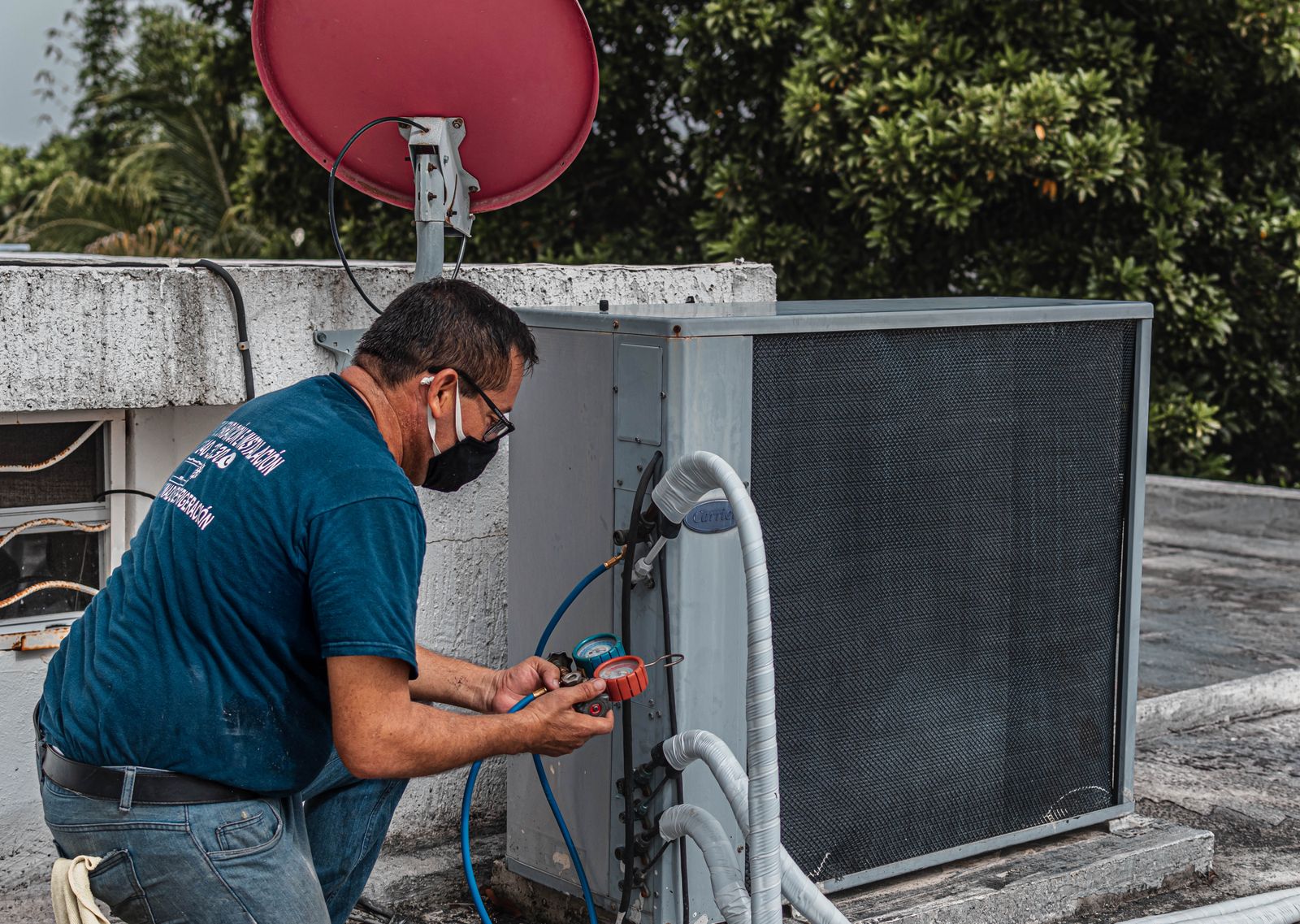
Low refrigerant. A leak reduces the amount of heat each cycle can carry away, stretching cycles across an entire season. Air leaks and thin insulation. Every gap that lets warm, humid air into the house is work your AC pays for twice, once to cool that air and once to dry it.
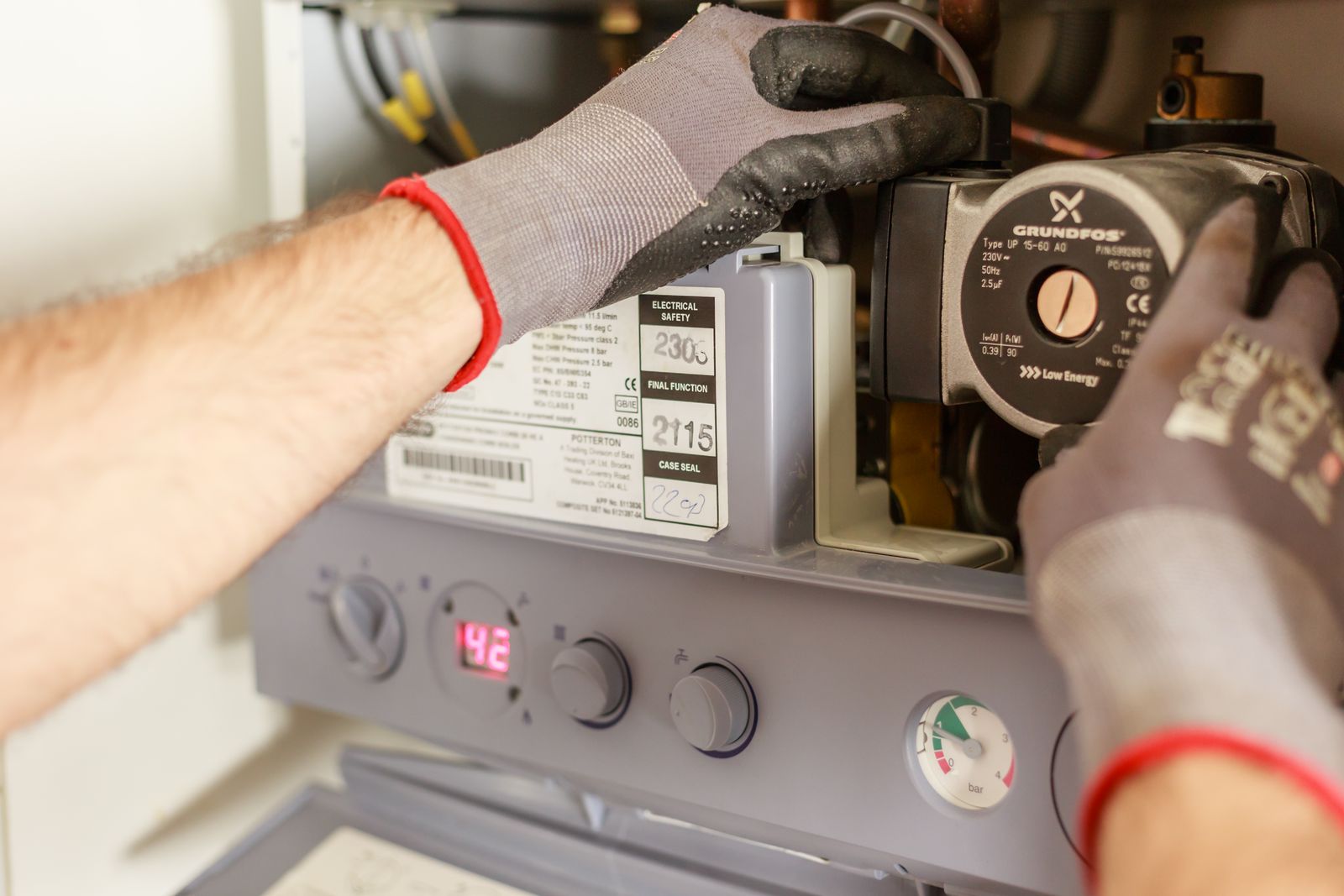
A professional service visit targets both: a refrigerant charge check with leak testing, plus an honest look at whether the house, not just the equipment, is where your hydro dollars are leaking out.
A note on thermostats: setting the temperature very low does not make the system work harder, it just makes it run longer. On humid days, a moderate setting with a healthy system often feels better than an extreme setting with a struggling one.